Due to the effects of climate change, the UK is experiencing more extreme weather conditions and this includes hotter temperatures. When you are working a physically demanding job in an environment where you are exposed to the heat like on a construction site, its imperative that you ensure that you look after your wellbeing.
As heatwaves become a common occurrence, it is important that you understand the risks that extreme heat can cause to the human body and how to prevent them.
How the body keeps cool:
- The body regulates temperature by producing sweat to cool you down; this can be produced if you are in a hot environment or if you are engaging in strenuous physical activity.
- Sweat will then evaporate from the skin to keep you cool, but in more humid environments with limited airflow, this cooling effect is significantly reduced.
- If the body cannot regulate its temperature, this is when you risk developing heat related illnesses.
- As your body produces sweat, you run a greater risk of dehydration, so the water levels in your body must be replenished.
How you can help your body:
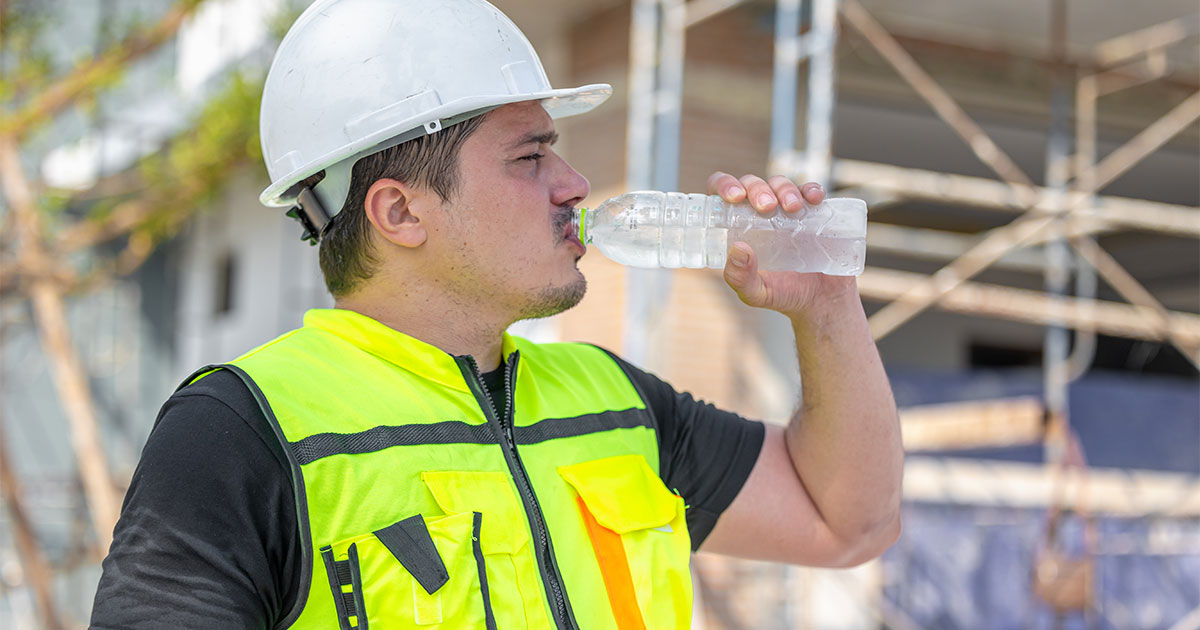
- Drink plenty of cool water, between 50˚F - 60˚F and avoid caffeinated or alcoholic beverages because they will dehydrate you even more.
- You should top up your fluid intake regularly; when working in hot weather you should be drinking a cup of water every 20 minutes to ensure that you don’t become dehydrated.
- Wear relevant PPE that will protect you from direct sunlight.
PLEASE NOTE- some sites do not allow you to wear shorts as they do not provide adequate protection; please check with site - Take frequent, approved rest breaks; listen to your body and immediately stop work and move to a cooler area if you feel lightheaded or nauseated
- Avoid wearing too many layers of clothing; cover your head, arms and neck from the sun
- Wear light colours whenever possible that are made from a breathable fabric to prevent overheating
- If possible, work away from direct sunlight and other sources of heat; you should avoid working in direct sunlight between 11:00 AM and 3:00 PM when the sun will be at its strongest.
- Watch out for signs of heat stress in yourself and fellow workers; if you are keeping an eye on each other, you will be able to spot the signs before the situation worsens
Where possible, you should assess the risks of carrying out the projected works during the hot weather and make adjustments to protect your wellbeing; these could include:
- Discussing whether works can be carried out earlier in the day before it gets too warm
- If this isn’t possible, can works be deferred until the temperatures cool
- Take frequent rest and hydration breaks to avoid heat stroke or dehydration
Dehydration:
Dehydration is caused when the body has lost more fluids that it takes on; this can be managed and reduced by keeping track of how much you drink throughout the day and, if ignored, can become serious.
On construction sites where you are less able to regulate the temperature of your working environment, it is very important to stay hydrated.
According to the NHS, symptoms of dehydration include:
- Feeling light-headed, dizzy or having a headache
- Feeling thirsty or having a dry tongue or lips.
- Feeling tired or lethargic
- Having dark yellow, strong smelling, infrequent urine
Dehydration can happen easily if you are not careful and it can be caused by various factors, including:
- Being in the sun or a hot environment for too long
- If you have drunk too much alcohol
- Excessive sweating
- If you have been sick or have diarrhoea
To treat dehydration, you should ensure that you are drinking fluids regularly. If you feel sick or have been sick, this may be difficult at first. Start with small sips and gradually begin to drink more. You also need to ensure that you are replenishing the sugars, salts and minerals that your body has lost to rehydrate. This can also be achieved by eating foods with a high water content.
You should call the emergency services if anyone on site is experiencing the below symptoms:
- Their skin feels cold to the touch
- They have difficulty breathing or taking a lot of quick breaths
- If they are visibly confused
- If they have blue, grey, pale or blotchy skin; on darker skin tones this will be more visible on the palms or soles of the feet
These are signs that a person has become so seriously dehydrated that they have gone into shock and must be assisted immediately.
Heat-related illnesses:
The risks of working in extreme heat include heat stroke, sunburn, heat exhaustion and skin cancer. When you are working outside, you are exposed to UV radiation from the sun, which can lead to significant short term and long-term health complications.
Limiting UV exposure:
Ultraviolet (UV) radiation is produced by the sun, but you don’t need to come into direct sunlight for UV to impact you.
- UV rays can pass through 80% of cloud cover, glass, loosely woven material and can bounce off of reflective surfaces.
- The rays cannot be seen or felt, so you must limit your over exposure, even on cloudy days.
- Significant exposure to UV can cause anything from premature aging and sunburn to skin cancer.
- A study conducted in 2015 in the UK found that 86% of Melanoma skin cancer cases were preventable.
Spotting signs of skin cancer:
It’s important to know what to look for when monitoring your skin for any changes that could pose a risk of cancer and spotting these early could be lifesaving.
You must contact a doctor immediately if you notice any of the following:
- A painful or inflamed spot or sore which continues to itch or bleed
- A sudden change to your skin; a mole that grows quickly or has an irregular shape
- If a mole becomes patchy in colour and darkens
You should keep your skin covered wherever possible with mandatory PPE.
If you are concerned, contact a manager and they can conduct a risk assessment to gauge the appropriate PPE.
You should also ensure that you have applied suncream with a minimum of SPF 30 approximately 15-20 minutes before you are exposed to the sun.
Ensure that you use the correct amount; you should use half a teaspoon for your face and at least six for your body; be sure to re-apply at least every two hours.
Identifying heat stresses:
When over-exposure to warm conditions worsens, you run the risk of developing heat-related illnesses. These are called heat stress and, if left untreated can cause heat stroke:
- Heat Rash- An itchy and uncomfortable rash which can be further irritated by excessive sweating. This can be treated by wearing lightweight clothing and cool water.
- Heat Cramps- Muscle cramps in the legs and arms are a warning sign that the body is losing too much fluid and bodily salts through sweating.
- Heat Exhaustion- When the body becomes unable to regulate its temperature; symptoms include dizziness, pale and clammy skin and nausea. If these symptoms are not addressed it can lead to heat stroke.
- Heat Stroke- The persons skin becomes hot without sweating and the person will have a very high temperature. They may appear confused or restless; this state can lead to seizures and a loss of consciousness.
Heat Stroke is a medical emergency and you should seek medical assistance immediately.
If someone has heat exhaustion, you should follow the following procedure:
- Move the person to a cool place
- Remove all unnecessary clothing, including socks
- Ensure that they drink water; if possible give them an isotonic sports drink or oral rehydration powder to help replenish the lost salts in the body
- Cool their skin down with water, cool packs or a fan
- Ensure you stay with them until they begin to feel better
- If the person is still unwell after 30 minutes or are experiencing seizures or a loss of consciousness, you must call emergency services
- If they lose consciousness, put them in the recovery position while awaiting the emergency services